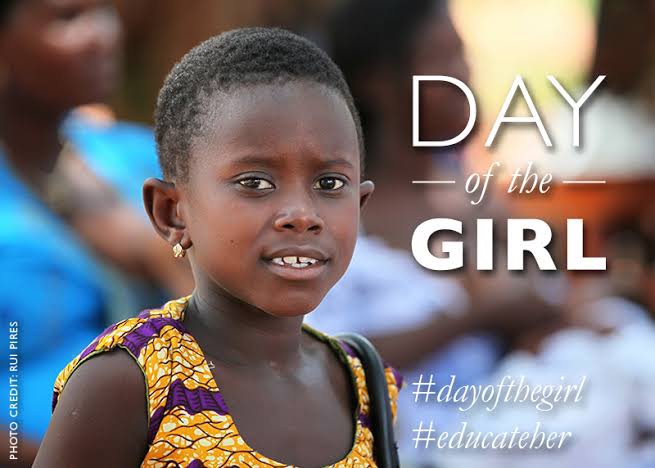
International Day of the Girl Child is an international observance day declared by the United Nations; it is also called the Day of Girls and the International Day of the Girl. October 11,2012, was the first Day of the Girl Child. The observation supports more opportunity for girls and increases awareness of gender inequality faced by girls worldwide based upon their gender. This inequality includes areas such as access to education,nutrition, legal rights, medical care, and protection from discrimination, violent against women and forced child marriage
The celebration of the day also “reflects the successful emergence of girls and young women as a distinct cohort in development policy, programming, campaigning and research.”
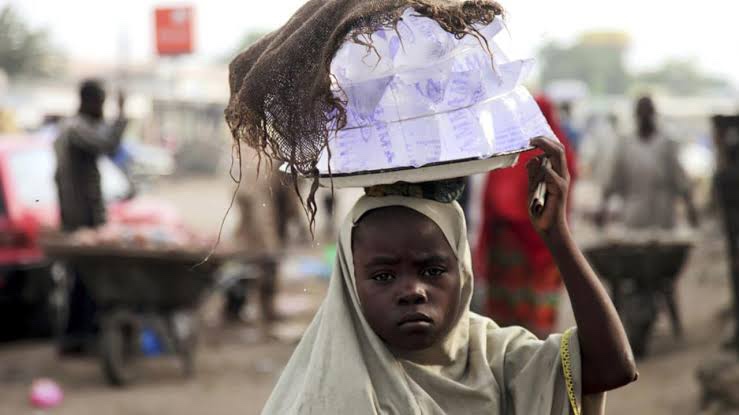
International Day of the Girl increases awareness of issues faced by girls around the world. Many quantify global development plans which do not include or consider girls, and their issues become “invisible”.More than 62 million girls around the world had no access to education, as of c. 2014, according to USAID.Worldwide and collectively, girls ages 5 to 14 spend more than 160 million hours more on household chores than boys of the same age do.Globally, one in four girls are married before age 18.On October 11, 2016, Emma Watson a United Nations Women’s Goodwill Ambassador, urged countries and families worldwide to end forced child marriage Many quantify girls around the world are vulnerable to acts of sexual violence and the perpetrators often how often go unpunished.
The Day of Girls helps raise awareness not only of the issues that girls face, but also of what is likely to happen when those problems are solved. For example, educating girls helps reduce the rate of child marriage, disease and helps strengthen the economy by helping girls have access to higher paying jobs.
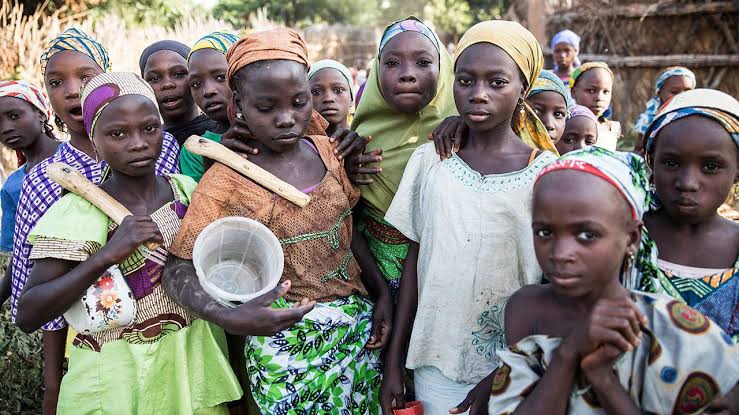
A woman has no tribe or religion until she marries’; this is the fate of many beautiful and differently able girls and women around you and I. Aunty Regina was born to peasant farmers in a far off village in Cameroon many years back. Her parents who were unable to continue to pay her fees after primary 4 sent her to live with an uncle in town. She was to help take care of the house and this uncle was to continue to sponsor her education. The later part of the deal was never executed.
Today, the story is yet to change. One of the greatest barriers to education in my community is poverty. In theory, primary education is free in Cameroon but in reality, a lot of money has to be paid as Parent Teacher Associations (PTA) charge exorbitant sums in a bid to provide schools with infrastructure. The government creates schools without structures and these schools are built by the PTA. Girls who are considered the ‘less important sex’ end up being victims of illiteracy because of poverty. The sending of girls to work as house servants in urban areas is yet another barrier to the education of the girl child. These girls take care of babies and household chores in wealthy families but many end up without even a trade with which to earn a living. 90% of these girls earn about 40-50 dollars (20000-25000FCFA) a month. Some of them suffer sexual harassment, rape and domestic violence in these homes. Strange enough, some women are barriers to the education of other women. In the just mentioned case, the women who are supposed to encourage their house helps to get an education by sending them to school instead see this as training a rival. Some of the few educated women want to remain the envy of society and therefore are not ready to have other potential female intellectuals.
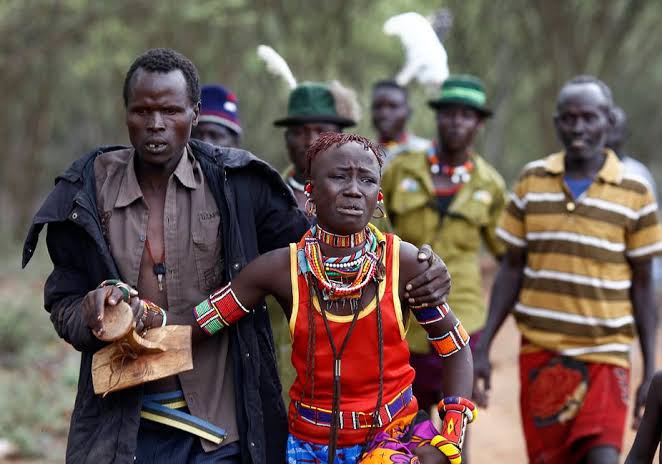
As Nigeria joins the rest of the world to commemorate the International Day of the Girl-Child (IDGC) today, child advocates in the country have lamented that there is little to celebrate as the country ranks bottom six globally in child welfare, and bottom 10 for girls flourishing, an index that may be exacerbated by the pandemic and cultural inhibitions of the girl-child.
They also warned that the country may remain underdeveloped if it fails to address the problems of marginalisation, abuse and exploitation of the girl-child. They maintained that girls should be entitled to a life free of violence and discrimination, and deserve equal opportunity for access to education and health to prepare them as future leaders.

 Posh up house of fashion